🌟 Introduction
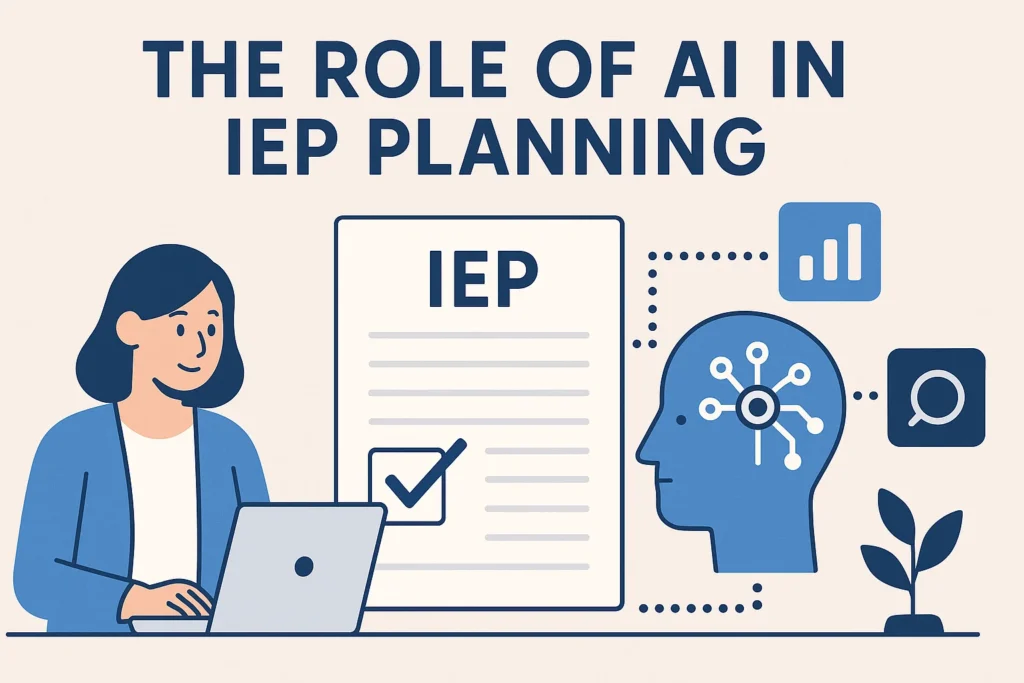
The Role of AI in IEP Planning: At AiBlogQuest.com, we explore how technology empowers education — especially for students who learn differently. One of the most impactful areas where Artificial Intelligence (AI) is making a difference is in Individualized Education Program (IEP) planning.
IEPs are personalized roadmaps designed to support students with special needs. But building and managing these plans can be complex, time-consuming, and data-heavy. That’s where AI-driven systems come in — helping teachers, therapists, and parents create more effective, dynamic, and data-informed learning strategies.
🧠 What Is an IEP and Why It Matters
An Individualized Education Program (IEP) is a legally mandated document that outlines the learning goals, accommodations, and support required for a child with special needs. It involves:
-
Assessment of strengths and challenges
-
Personalized learning objectives
-
Collaboration between educators, parents, and therapists
AI helps simplify and strengthen this entire process, making IEPs more accurate, responsive, and student-focused.
🤖 7 Ways AI Supports IEP Planning
1. Automated Data Collection and Analysis
AI tools can gather performance data from classroom apps, test results, and therapy sessions to provide real-time progress insights — reducing manual paperwork.
2. Predictive Learning Models
AI systems can forecast a child’s learning patterns and suggest interventions that are most likely to work, helping educators plan ahead effectively.
3. Goal Personalization
Using adaptive algorithms, AI tailors educational goals to each student’s ability level — ensuring every IEP is both realistic and aspirational.
4. Streamlined Collaboration
AI-powered dashboards make it easy for teachers, parents, and specialists to collaborate, update, and review progress together.
5. Progress Tracking with Visual Analytics
Interactive charts and graphs allow educators to see which strategies are working — and adjust teaching plans accordingly.
6. Inclusive Resource Recommendations
AI can recommend resources like assistive apps, therapy tools, or games suited to each child’s learning profile.
7. Reducing Administrative Burden
Automating routine IEP documentation gives teachers more time to focus on what truly matters — helping the child learn and grow.
🧩 Benefits of Using AI in IEPs
-
Creates more accurate and adaptive learning plans
-
Promotes better communication among IEP teams
-
Helps detect learning challenges early
-
Supports compliance with special education standards
-
Encourages evidence-based decision-making
⚖️ Ethical Considerations
While AI can make education more inclusive, schools must ensure:
-
Student data privacy is strictly protected
-
Bias-free algorithms are used for fair evaluations
-
Human oversight remains central to every decision
AI should assist educators, not replace their judgment or compassion.
🔗 Useful Links – AiBlogQuest.com
-
AI for Tracking Therapy Progress
-
Custom Learning Plans with AI
❓ FAQs
Q1. Can AI write IEPs automatically?
AI can suggest goals and collect data, but human educators must review and finalize every IEP to meet legal and emotional needs.
Q2. Is AI IEP software expensive?
Costs vary, but many schools are adopting affordable AI-assisted platforms that integrate with existing educational tools.
Q3. Does AI replace special education teachers?
No. AI supports teachers by automating data analysis and offering insights, allowing them to focus on personalized teaching.